

Essential Guide to Cattle Health for Maximum Farm Productivity
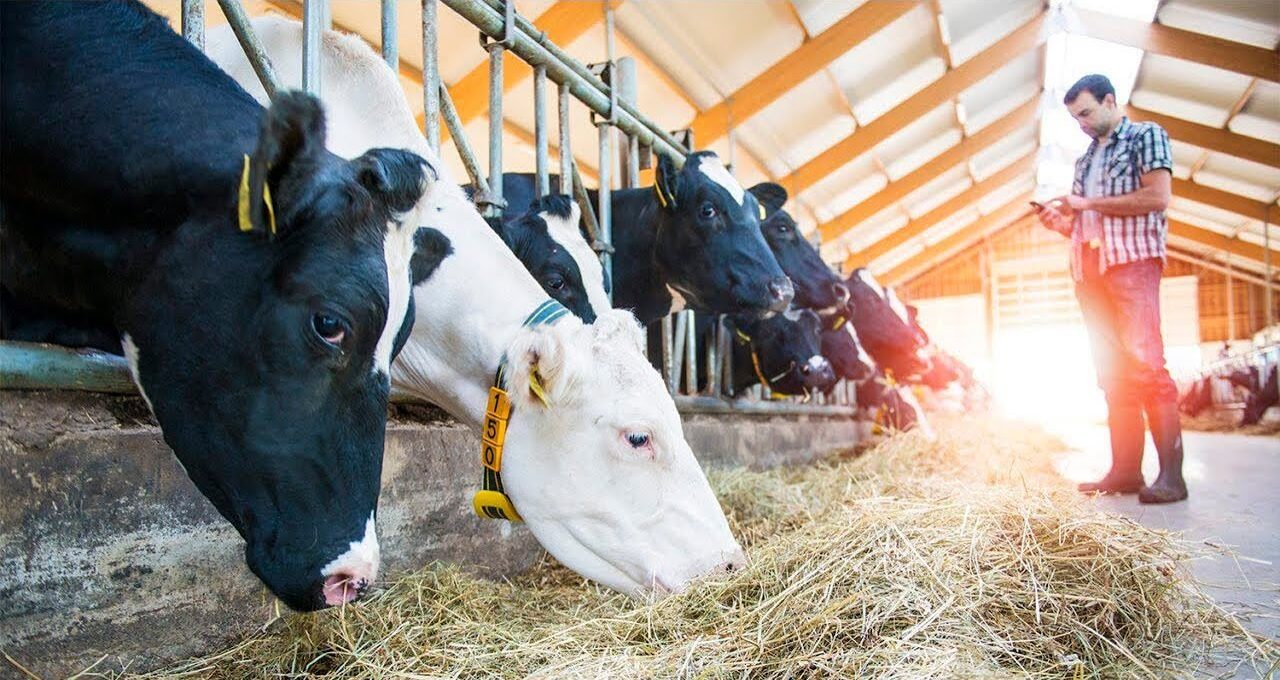
Cattle health is the backbone of successful livestock farming. From small-scale dairy setups to commercial farms, the condition of your cattle directly influences efficiency and long-term success. Healthy cattle have improved reproductive outcomes, increased milk production, and gain weight more effectively. Farmers can make wise decisions and keep a healthy herd by being aware of the key elements that affect cow health.
1. Balanced Nutrition and Feeding Practices
A well-balanced diet ensures that cattle receive essential nutrients, including proteins, carbohydrates, vitamins, and minerals. Reduced milk production, sluggish growth, and heightened susceptibility to illness are all consequences of poor nutrition. Mineral supplements and combinations are also crucial for avoiding deficiencies that might result in conditions like infertility or milk fever.
Additionally, farmers should modify feeding procedures according to the age, breed, and stage of production of their cattle.
2. Disease Prevention and Vaccination
Preventing diseases is more effective and economical than treating them. Frequent immunization procedures shield cattle from common infectious diseases such as hemorrhagic septicemia, brucellosis, and foot-and-mouth disease.
Quarantine measures should be followed when introducing new animals into the herd to prevent disease transmission.
Early detection lowers losses and facilitates prompt treatment. Programs for parasite control and deworming are also important for preserving general health.
3. Proper Housing and Shelter Management
A clean, dry, and well-ventilated shelter protects animals from extreme weather conditions and reduces stress. Infections, injuries, and respiratory issues can result from substandard housing. There should be enough room to prevent crowding, which can lead to hostility and the spread of illness. To avoid accidents and uphold hygiene, flooring should be non-slip and simple to clean.
Cattle sheds may be kept free of dangerous bacteria and parasites by routinely washing and disinfecting them.
4. Hygiene and Milking Practices
In dairy farming, hygiene is especially crucial. Clean milking techniques aid in the prevention of infections like mastitis, a prevalent illness that lowers milk quality and supply. Before and after milking, udders should be cleaned and sanitized. To prevent contamination, milking equipment needs to be thoroughly sterilized. To lower the chance of spreading illnesses, farm workers should practice good personal hygiene.
In addition to improving the health of the cow, maintaining cleanliness raises the milk’s quality, making it safer to drink and more valuable on the market.
5. Reproductive Health Management
Reduced milk production and longer calving intervals can result from poor reproductive health. To ensure timely breeding, farmers need to keep an eye on heat cycles. Both natural breeding and artificial insemination should be done under the right supervision. Frequent reproductive health checkups aid in the early detection of problems like infections or infertility.
Maintaining reproductive efficiency also requires reducing stress and ensuring adequate nourishment. To guarantee a healthy calving and minimize difficulties, pregnant cows need specific attention.
6. Stress Management and Animal Welfare
Stress can be brought on by things like traveling, harsh handling, crowded conditions, and extremely high or low temperatures. Heat stress can be lessened, particularly in hot areas, by providing a cozy setting, adequate ventilation, and shade. Improving animal welfare also involves preventing abrupt changes in routine and using gentle handling techniques.
Cattle that are healthy and stress-free have increased milk output, stronger immunity, and faster development rates. In addition to being morally right, ensuring animal welfare is essential to reaching maximum output.
7. Record Keeping and Monitoring
Maintaining accurate records is essential for effective herd management. Each animal’s health, immunization schedule, milk production, breeding history, and feed intake should be monitored by farmers. For instance, a sharp decline in milk production could be a sign of a medical condition that has to be treated right away. Monitoring and decision-making can be further improved by utilizing modern techniques and technologies.
Cattle health is a multifaceted aspect of livestock farming that requires careful attention to nutrition, disease prevention, housing, hygiene, reproduction, and stress management. By adopting proper management practices and ensuring regular monitoring, farmers can significantly improve the productivity and profitability of their operations.
Investing in cattle health is not just about preventing losses; it is about building a sustainable and efficient farming system. Healthy cattle lead to better yields, improved quality, and long-term success in the livestock industry.