

Essential Factors That Influence Cattle Health and Farm Productivity
-
 admin
admin - Posted on
- 0 comments

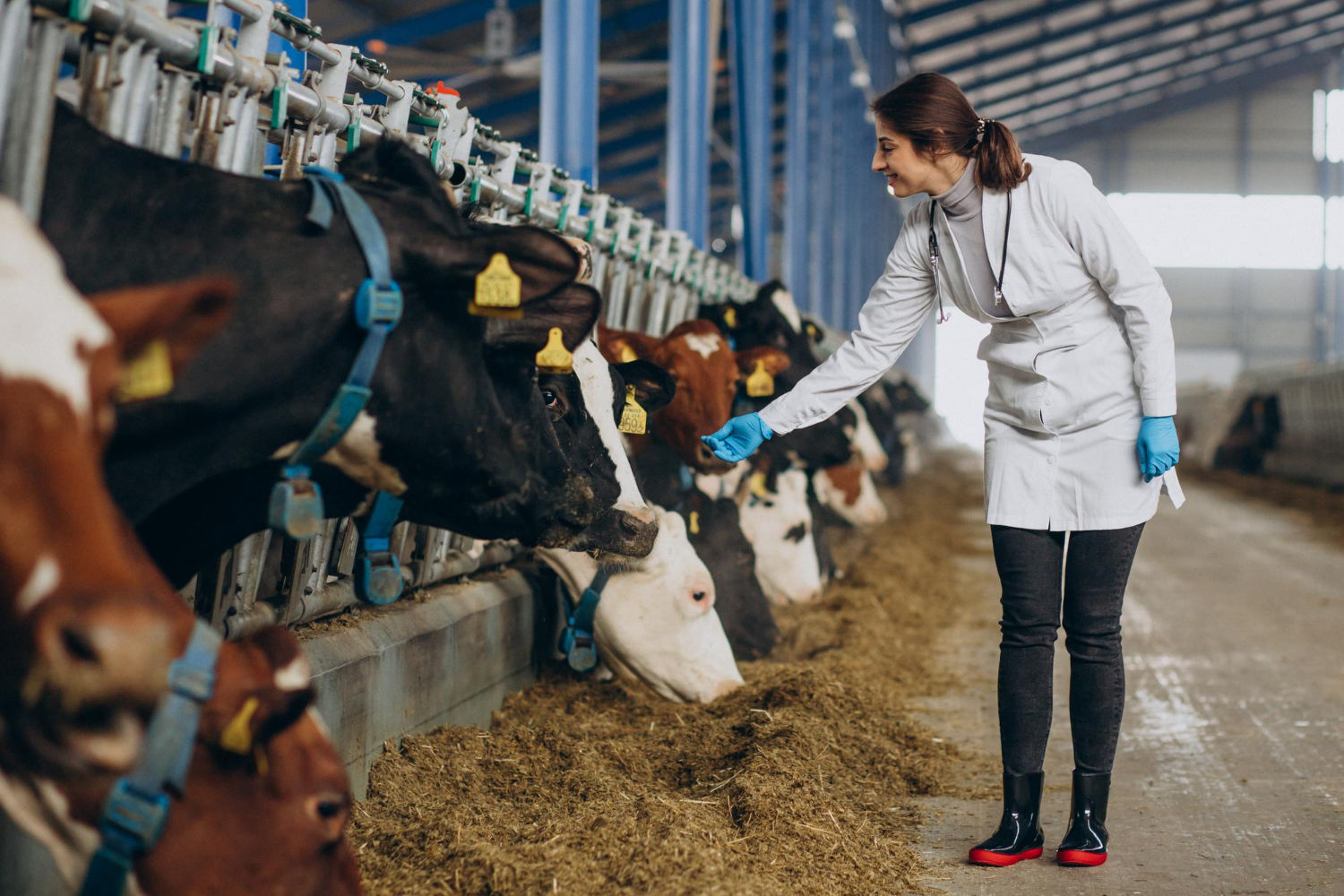
Cattle health plays a vital role in ensuring the productivity and profitability of livestock farming. In addition to producing higher-quality milk and meat, healthy cattle also have faster growth rates and better reproductive outcomes. Long-term profitability and sustainable farming depend on farmers and dairy producers keeping their animals healthy. Livestock owners may enhance animal well-being and optimize output by knowing the major elements that affect cow health.
Importance of Good Cattle Health
When animals are well cared for, they are more resistant to diseases, produce higher milk yields, and maintain better body weight. Therefore, increasing agricultural productivity and profitability requires effective health management.
Healthy animals produce high-quality milk and meat that meet consumer safety standards. Proper attention to cattle care by farmers is one reason the shelves are full of healthy dairy and meat products.
Balanced Nutrition
Nutrition is one of the most important factors affecting cattle health. The vital elements needed for development, immunity, reproduction, and milk production are found in a balanced diet. A healthy balance of carbohydrates, proteins, fats, vitamins, minerals, and clean water is necessary for cattle.
Green grass, legumes, and silage are examples of high-quality fodder that help cattle meet their energy needs. Bone health and metabolic processes depend on minerals, including calcium, phosphorus, and magnesium.
Moreover, clean drinking water is important. Water is essential for digestion, body temperature, and milk production.
Proper Housing and Hygiene
The living environment of cattle significantly influences their health and productivity. Proper housing, such as clean, well-ventilated, and comfortable houses, is known to reduce stress and prevent diseases. Sheds may lead to a high risk of infection and injury due to overcrowding or inadequate maintenance.
Cattle sheds are to be constructed so that they have no problems with air circulation and exposure to extreme weather conditions like heat, cold, and rain.
Contamination is avoided, and overall farm sanitation is enhanced by routine manure removal and appropriate drainage systems.
Disease Prevention and Vaccination
Preventing diseases is far more effective and economical than treating them after they occur. Cattle are covered against common infectious diseases through regular vaccination programs. Routine health check-ups allow early detection of health issues. It is possible to identify health issues early by observing cattle with reduced appetite, abnormal behavior, fever, or low milk production.
The other critical aspect of cattle health management is parasite control. Cattle can be parasitized by internal parasites like worms and external parasites like ticks and flies, which may influence the cattle’s productivity.
Reproductive Health Management
Healthy reproductive systems ensure timely breeding, successful pregnancies, and healthy calves. Farmers should monitor heat cycles, maintain proper breeding records, and ensure adequate nutrition during pregnancy. Providing proper care to pregnant cows promotes healthy calf growth and lessens calving problems.
Stress Management
Factors such as extreme weather, overcrowding, poor nutrition, transportation, and rough handling can cause stress in cattle. Stress impairs immunity, increasing an animal’s susceptibility to illness.
To reduce stress, farmers can use gentle handling techniques and create comfortable living spaces. The cow shed’s adequate space, ventilation, and shade all contribute to the animals’ comfort.
Regular Veterinary Care
Veterinary services are important for the cattle’s health. Regular visits from veterinarians ensure proper disease diagnosis, treatment, and preventive care. Veterinary professionals can guide farmers on vaccination schedules, nutrition plans, and herd health management.
Farmers should also maintain proper health records of each animal. Tracking medical history, vaccinations, and treatments helps improve long-term herd management.
Maintaining cattle health is essential for improving livestock productivity and ensuring profitable farming. Balanced nutrition, proper housing, disease prevention, reproductive care, stress management, and regular veterinary support are the key factors that contribute to healthy cattle.
Farmers can improve the general well-being of their animals and increase milk output, growth rates, and farm profitability by concentrating on these crucial factors. Healthy cattle ultimately lead to a more sustainable and successful livestock farming system.
