

Emergency Signs in Pets You Should Never Ignore
-
 admin
admin - Posted on
- 0 comments

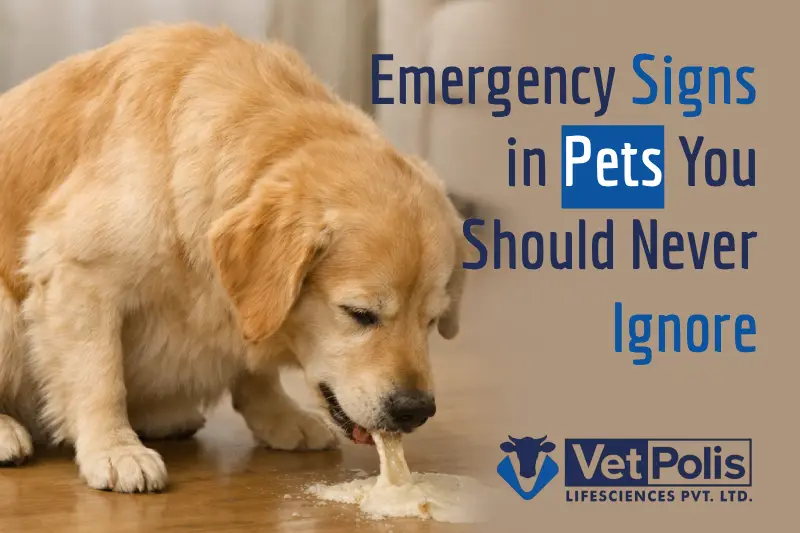
Pets are unable to alert us when a major issue arises. Rather, they express discomfort or hurt by altering behavior, looks, or habits. While some of these symptoms may seem unimportant, others may indicate a medical emergency that requires immediate attention. Knowing these red flags will be a key to saving your pet’s well-being and maybe saving their life.
These are some of the emergency signs that pets exhibit, and ignoring them is not an option.
Sudden Difficulty in Breathing
The rapid breathing of your pet, gasping, coughing too much, or opening his mouth could be an indication of a life-threatening problem. Difficulties in breathing may be the result of infection, allergic reaction, heart disease, or heatstroke, and need emergency treatment by the veterinarian.
Uncontrolled Vomiting or Diarrhea
Occasional vomiting or diarrhea can be seen, but it is not usual when they happen grouped inside a short timeframe. Vomiting or diarrhea for more than a couple of hours, containing blood, or being associated with weakness or fever can be a sign of poisoning, internal infections, or organ-related problems. This is an emergency case because young, old, or small pets can easily dehydrate.
Sudden Collapse or Loss of Consciousness
In case a pet simply passes out, faints, and becomes unresponsive, the situation must be viewed as an emergency. This may occur because of heart problems, serious injuries, low sugar, or neurological disorders. Although your pet may be back to consciousness quite fast, there is a need to have an immediate medical assessment to determine the cause of the situation.
Seizures or Unusual Body Movements
The symptoms are trembling uncontrollably, muscle rigidity, drooling, or loss of consciousness. Not all of them, however, will be known seizures, as a first seizure or cluster of seizures are medical emergencies that demand the attention of the vet.
Severe Pain or Continuous Crying
Animals conceal pain, excessive yelling, whimpering, growling, and lack of movement can be a sign of extreme discomfort. Additional symptoms include limping, crouching, shaking, or an aggressive reaction when touched. Severe pain, such as that caused by a fracture, internal injury, bloating, or infection, will also need to be addressed immediately.
Inability to Urinate or Defecate
Passing urine and stool is a serious and alarming factor, particularly in male cats and dogs. Blockages in the urine may pose a risk of fatality in a few hours without treatment. It can be indicated by frequent urination attempts, crying in the litter box, bloody urine, or a swollen abdomen. Such cases require urgent medical attention.
Extreme Lethargy or Weakness
When your pet suddenly becomes less active, struggles to stand or move, or exhibits unusual behavior, it is concerning. Extended slowness may be related to infections, toxins, internal bleeding, or severe dehydration. Your pet must not be thought of as ordinary when it is unusually silent, weak, or uninterested in food and interaction.
Trauma or Severe Injury
The obvious cases of emergencies include falls, road injuries, animal bites, or burns. The internal injuries may exist even without any external injuries. Never deal with injured pets harshly, so as not to harm them further.
Signs of Poisoning
Poisoning is possible due to domestic chemicals, specific foods, plants, or drugs. They may present with symptoms such as vomiting, drooling, tremors, seizures, difficulty breathing, or behavioral changes. Suspecting your pet to be poisoned is an emergency and must be treated as such. Certainly do not treat yourself, unless instructed to do so by a professional.
Knowing When to Act
When it’s bad, or your pet has abruptly stopped behaving the way it used to, then it’s better to get help sooner rather than later. Waiting can make things worse and reduce the likelihood of recovery.
Being aware of an emergency’s symptoms and response time will spare you and your pet more pain. Early care and regular checkups are essential in keeping pets safe, healthy, and happy.
